Grower Stories · Brewster, Washington
Honeybear Brands
Fifty years of apple growing — from a Minnesota orchard to Washington State's most respected name in fruit.
The Wescott family built Honeybear Brands from a small Minnesota orchard into one of the most respected names in apples. They helped bring the Honeycrisp to market — a variety that changed the industry — and they've never stopped looking for the next thing worth growing.
What connects Honeybear and Nathel & Nathel isn't just business — it's shared values. Two family operations, both rooted in tradition, both committed to doing things right.
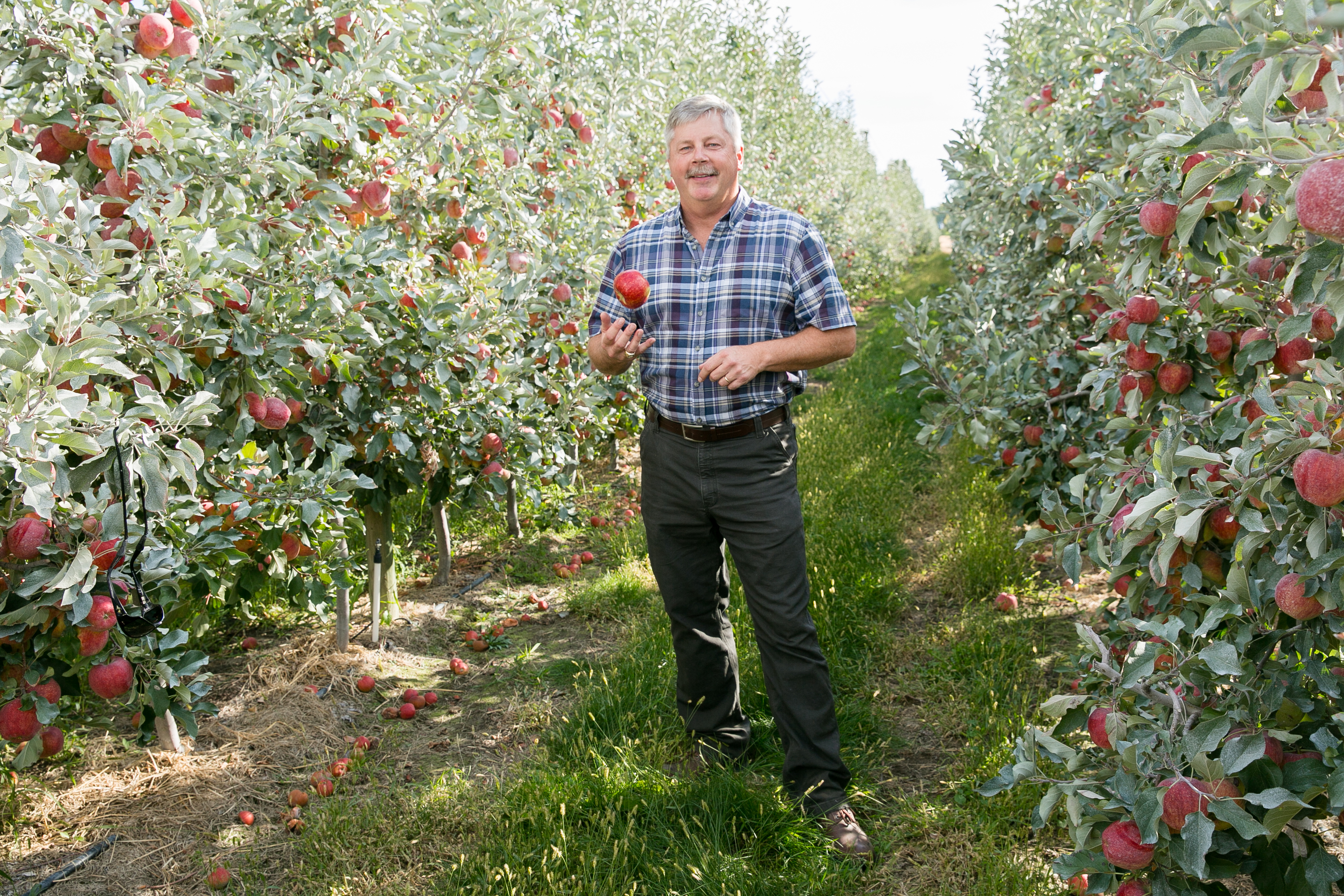
The Wescott family started farming in Minnesota — a long way, in every sense, from the sun-baked hillsides of North Central Washington where Honeybear Brands operates today. What began as a modest orchard in the upper Midwest grew, over decades, into one of the most trusted names in premium tree fruit. It wasn't a single moment that made Honeybear what it is. It was the accumulation of seasons — each one teaching the family something the previous one couldn't.
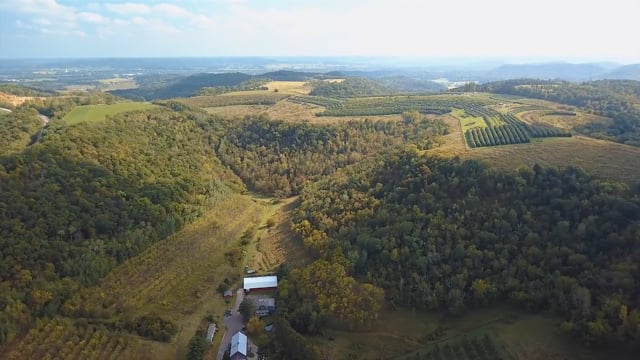
Today, Honeybear's orchards run through the Columbia River Basin and the Wenatchee Valley — country that produces some of the finest apples in the world. The family still leads the operation, and the values that shaped it from the beginning haven't changed: grow good fruit, treat the land right, and stand behind what you sell. Apples remain the signature, but the program has expanded to include Honeybear pears, cherries, and apricots — each variety held to the same exacting standard.
What separates Honeybear from most operations their size is a willingness to bet on the long game. They don't plant a variety because it's easy to move — they plant it because it's genuinely worth eating. That philosophy is why they got involved with the Honeycrisp long before the rest of the industry recognized what it would become. In partnership with the University of Minnesota, the Wescotts helped bring the variety to commercial scale — putting in years of cultivation work before the name meant anything on a retail shelf.
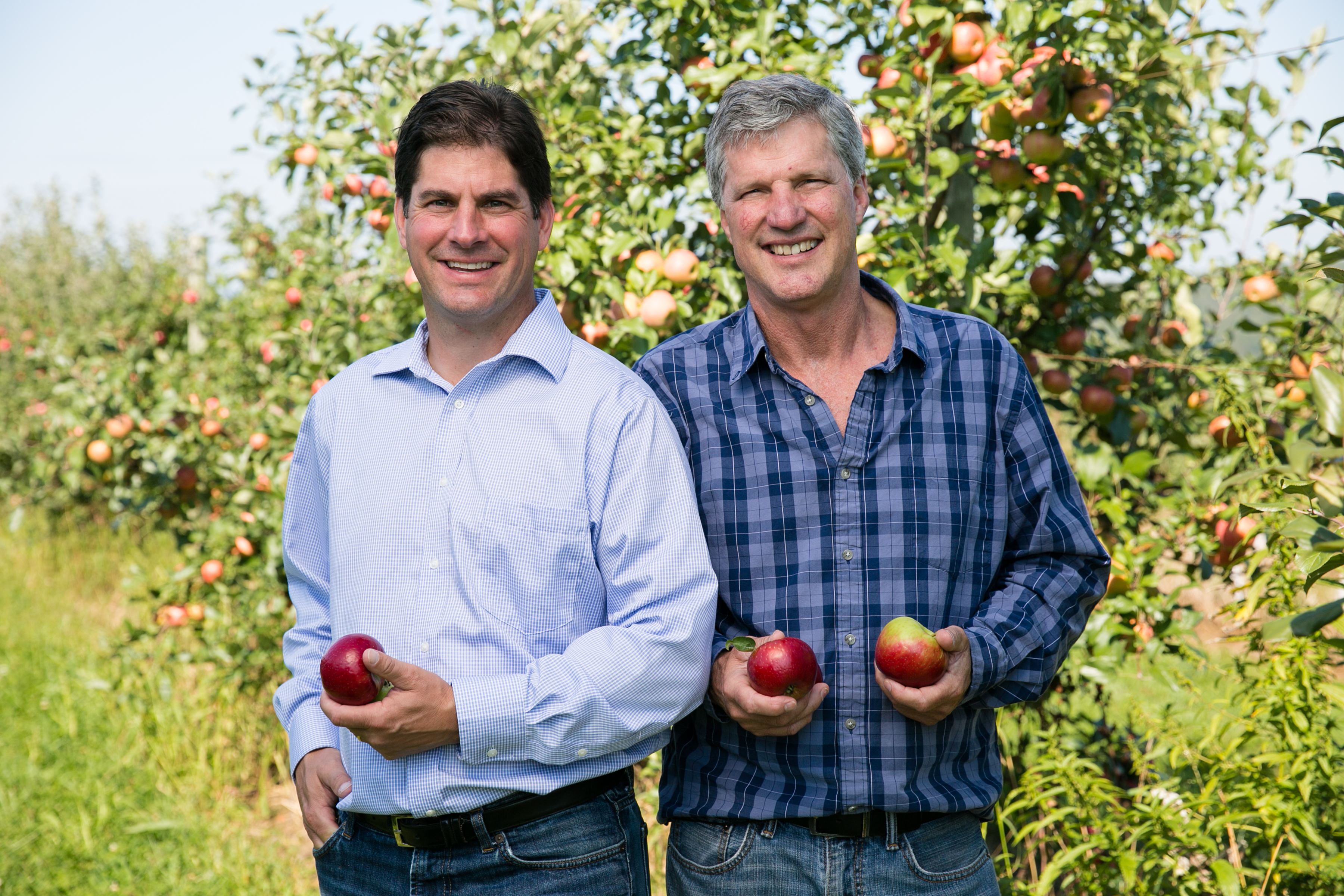
"Working with Josh and the Nathel team feels like partnering with kindred spirits. They share our love for tradition and quality, and together we're able to bring the best, freshest fruit to families everywhere."
Thomas Wescott · Honeybear Brands
When their fruit leaves Brewster, the Wescotts trust it'll be handled with the same care they put into growing it. That's the standard Nathel & Nathel has held since the partnership began — cold chain managed properly, relationships kept honest, and produce that arrives looking and tasting the way it left the orchard.
The Honeycrisp wasn't an overnight success. The variety was developed at the University of Minnesota over decades — first patented in 1988 — but it took growers willing to invest in it early, at scale, before the market knew what to do with it. The Wescotts were among the first to take that bet. They recognized something in the Honeycrisp that the commodity market hadn't caught up to yet: a snap, a sweetness, and a texture that genuinely stood apart.
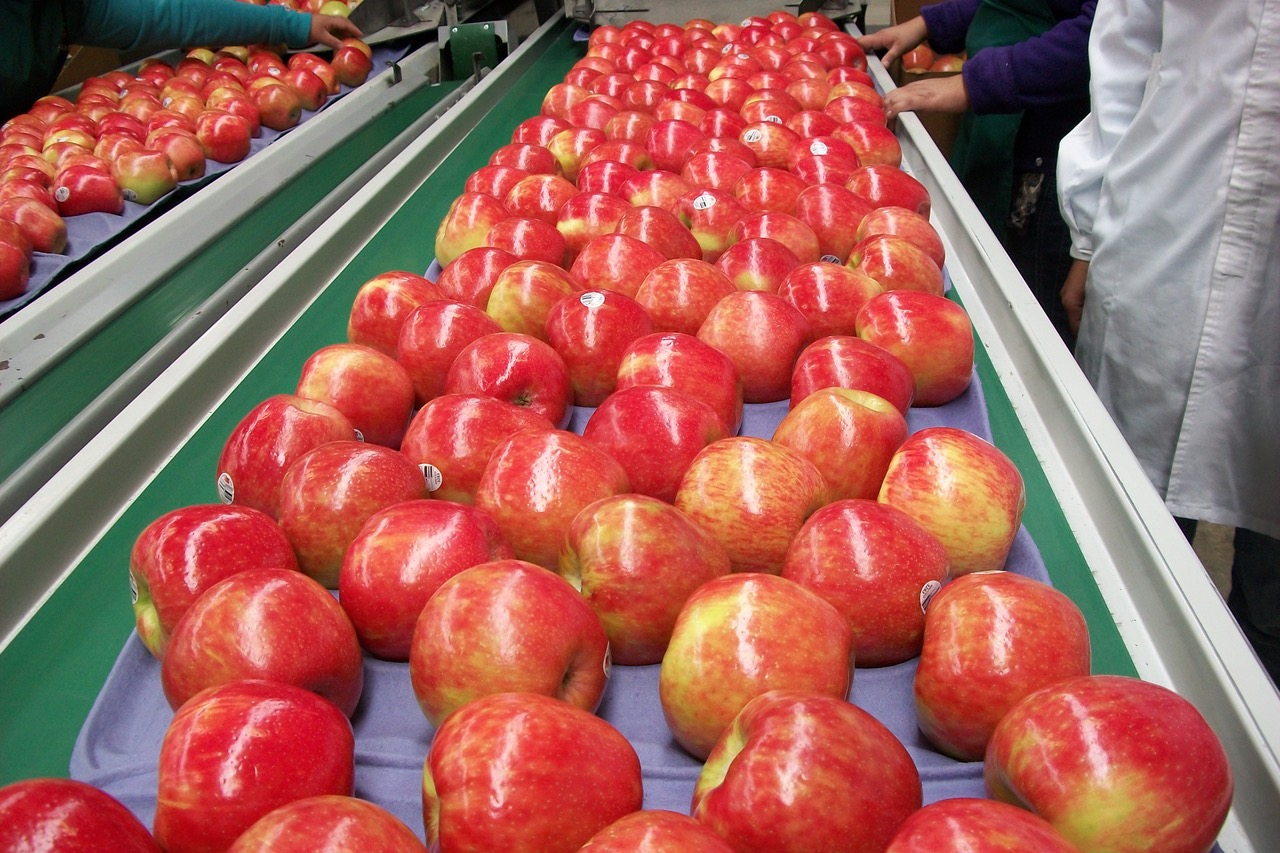
Growing Honeycrisp at commercial volume isn't simple. The variety bruises more easily than others, requires careful handling at every stage, and demands specific growing conditions to express its best qualities. Honeybear put in the infrastructure and the patience to do it right — and when the market finally caught up, they were positioned to deliver consistently what others were still learning to grow.
Honeybear's apple program gets the most attention, but the same discipline applies across their entire operation. Their pears carry the same crispness and flavor profile the family has built their reputation on. Their cherries — grown in the prime window of Washington's short but exceptional cherry season — are among the most consistent the valley produces. And their apricots, farmed with the same care as everything else, arrive with the depth of flavor that only comes from fruit that's been grown rather than merely harvested.
For Nathel & Nathel, the relationship with Honeybear is about more than sourcing fruit across multiple categories. It's about knowing that when a Honeybear box arrives at Hunts Point, the quality conversation has already been settled on the farm. That's the kind of partnership that holds up over 15 years.
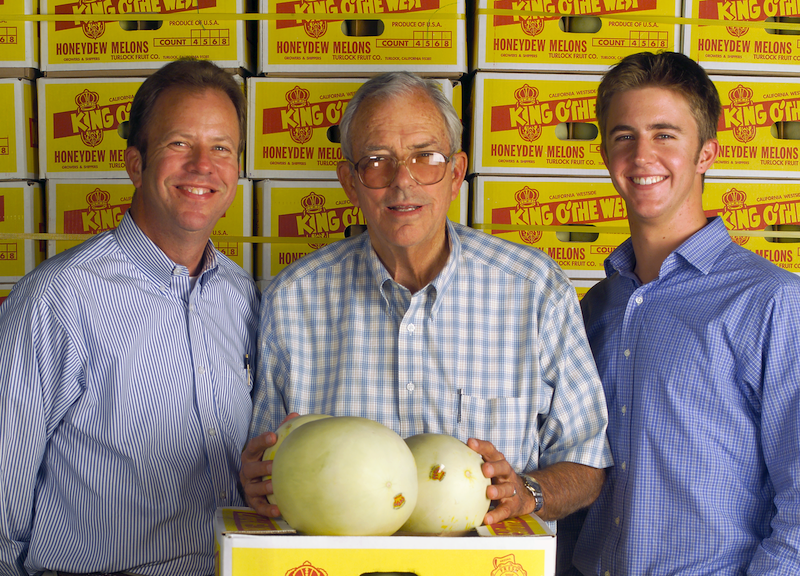
Sweet melons and asparagus from the Smith family — 60+ years of partnership.
Read Their Story →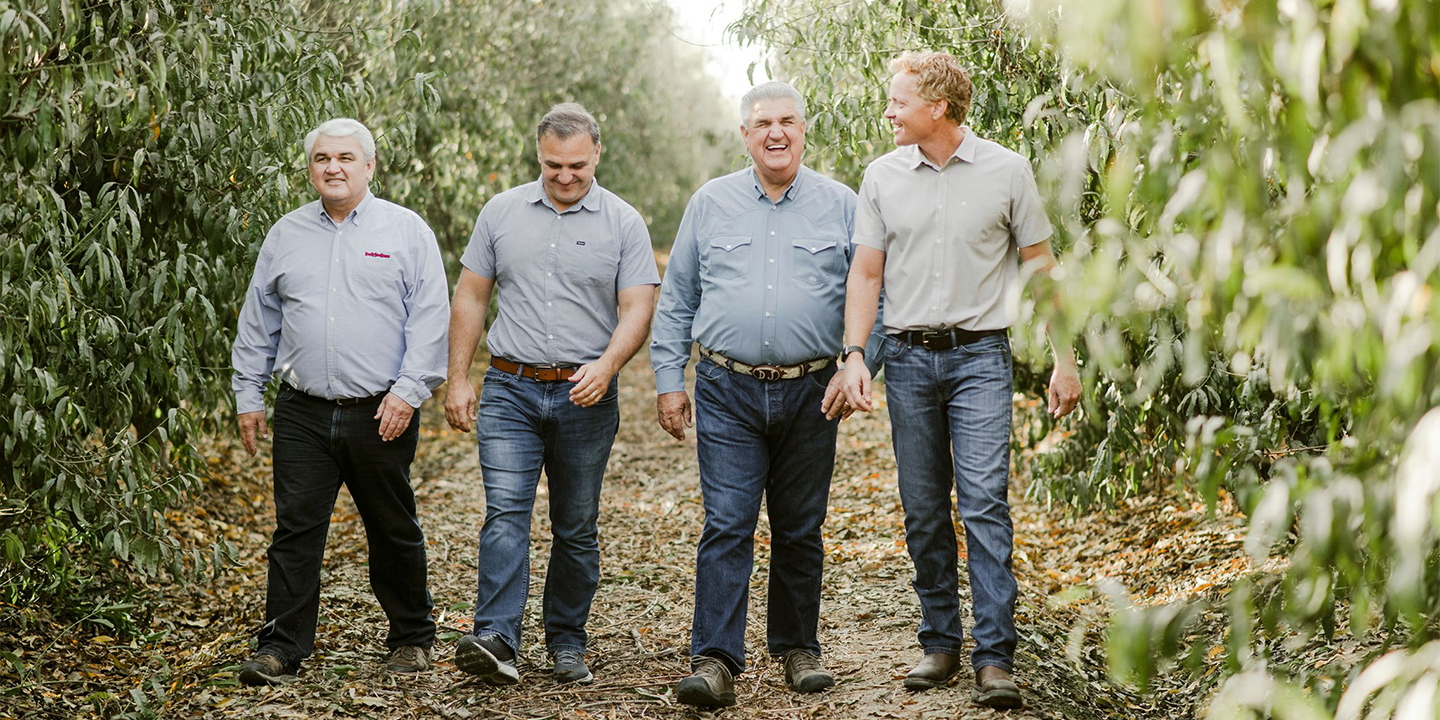
Seven generations of stone fruit and blueberries from the Jackson family.
Read Their Story →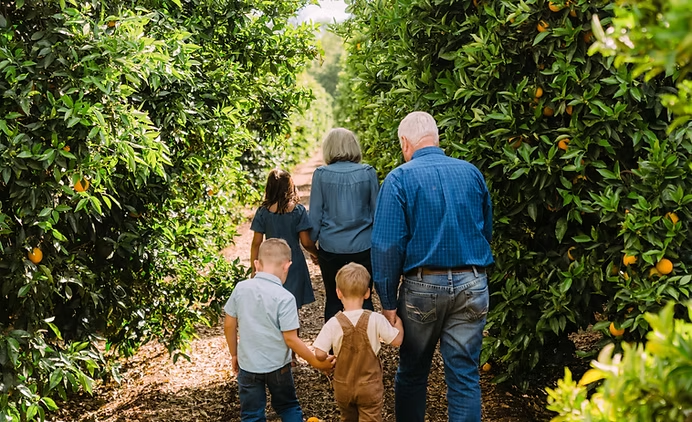
The Hazelton family's premium citrus from the heart of California's Central Valley.
Read Their Story →