Grower Stories · Bakersfield, California
Cal Organic Farms
One of the country's largest certified organic farming operations — growing the full spectrum of organic vegetables and fruit from California's Central Valley.
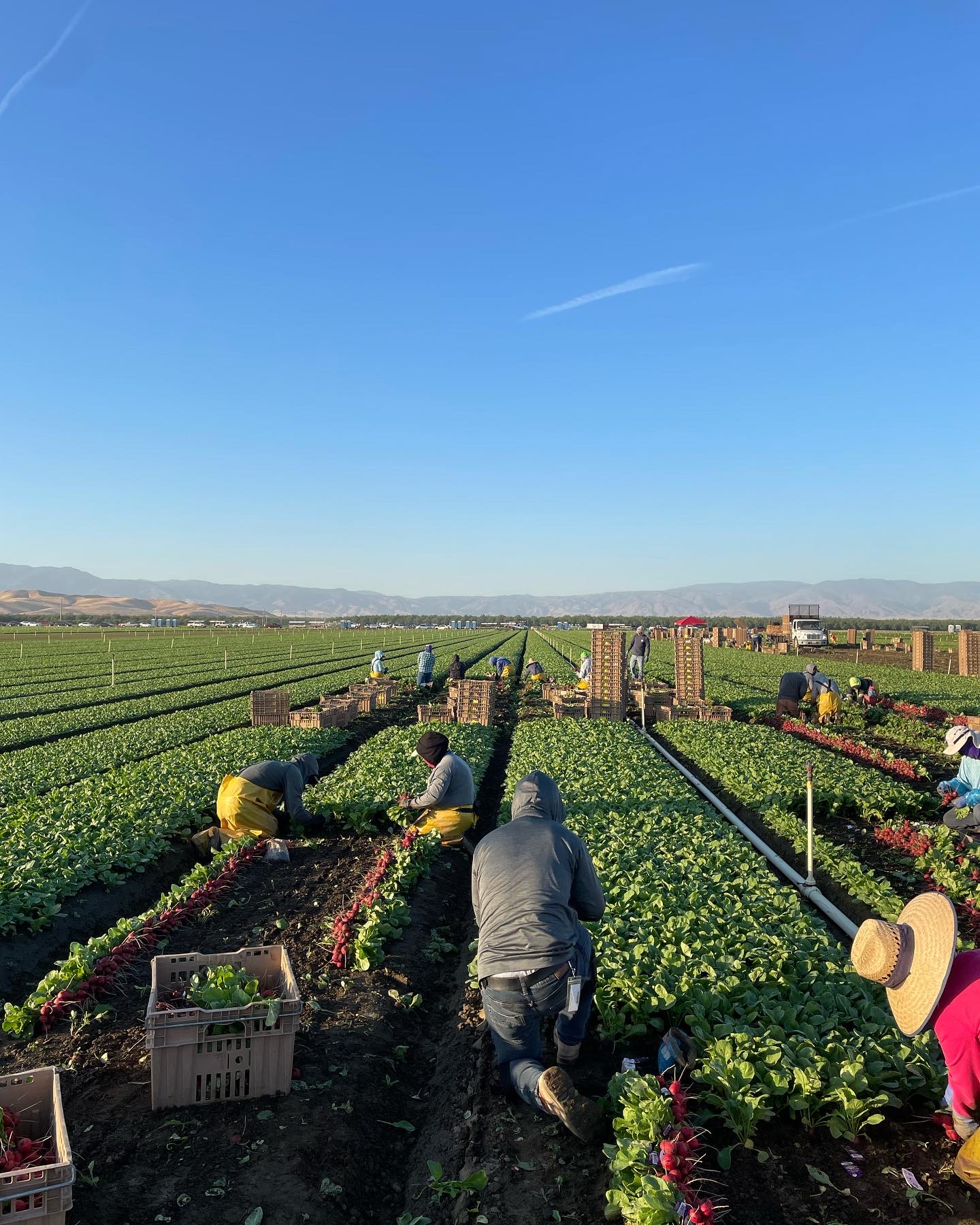
Cal Organic Farms has been growing certified organic produce in California's Kern County since 1983 — long before organic became a mainstream retail category. What they've built is rare: a farming operation large enough to provide genuine year-round supply continuity, without sacrificing the soil health and growing standards that make organic certification meaningful.
Their produce arrives at Hunts Point carrying the weight of four decades of certified organic practice — and it shows in the quality on the table.
In 1983, when Cal Organic Farms planted their first certified organic acres in Kern County, organic produce was a niche for health food co-ops and specialty retailers. There was no mass-market demand, no standardized USDA certification framework, and no established supply chain from California to the Northeast. What there was, was a conviction that growing food without synthetic inputs was worth doing — and worth doing at scale, even before the market was ready.
Four decades later, Cal Organic Farms is one of the largest certified organic operations in the country. They grow over 100 varieties of vegetables and fruit across tens of thousands of organic acres in California's Central Valley — carrots, broccoli, cauliflower, celery, bell peppers, squash, kale, lettuce, and a broad array of seasonal items. Their scale is matched by their certification rigor: every acre they farm carries certified organic status, maintained through continuous soil health practices, cover cropping, and the kind of long-term land management that can't be faked.
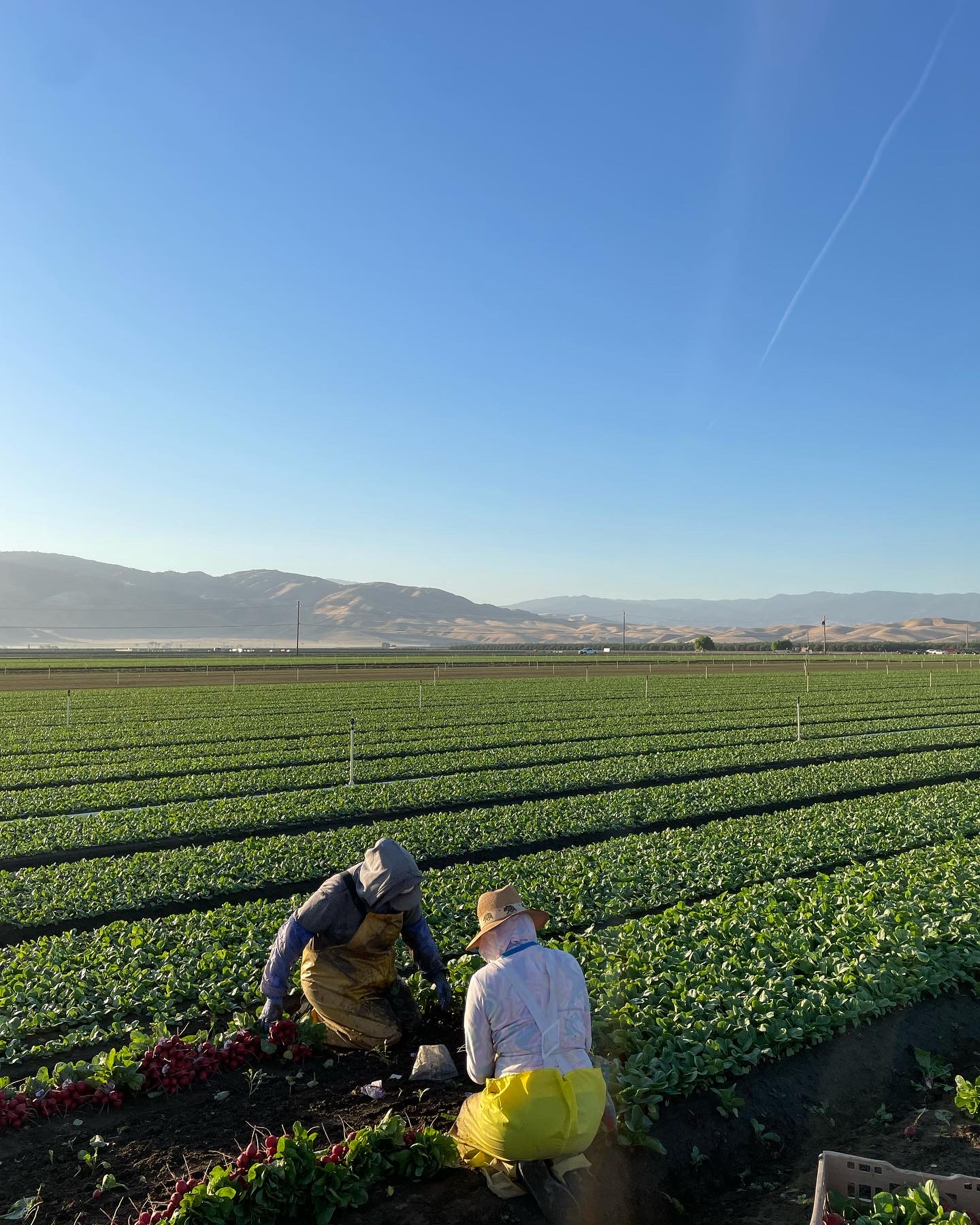
The Central Valley's geography is Cal Organic's greatest asset. Kern County's combination of fertile soils, extended growing days, and reliable water access creates conditions for nearly year-round production. Cal Organic uses that geography deliberately — staggering plantings across multiple production zones to extend the availability window for key items, and maintaining backup acreage that provides supply continuity when weather events or pest pressure affect a single block.
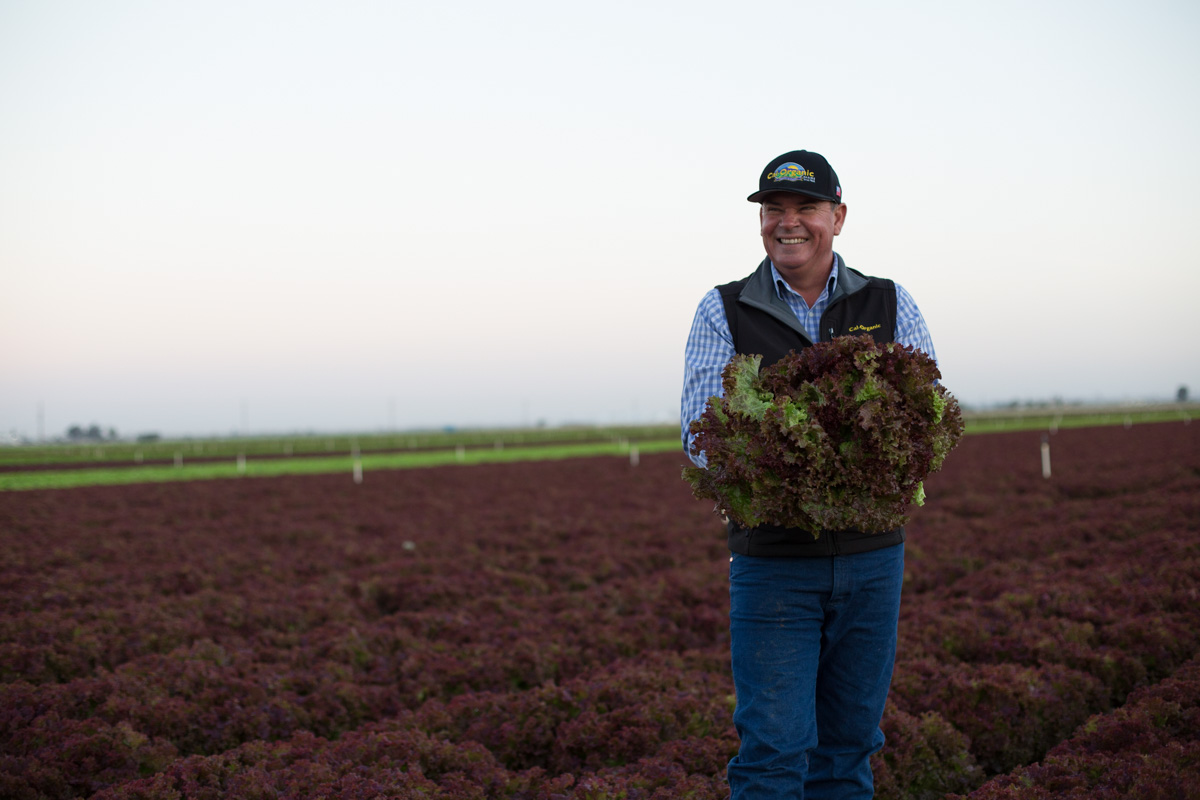
"Organic at this scale requires the same discipline and accountability as conventional farming — arguably more. Cal Organic has maintained their certification standards while growing into a program that can genuinely supply a market like Hunts Point. That combination is harder than it looks."
Nathel & Nathel · Hunts Point
The Nathel & Nathel partnership channels Cal Organic product into Hunts Point and through to the retail, food service, and independent grocer accounts that have built organic programs as a permanent part of their produce offering. Cal Organic's catalog breadth — and their ability to deliver on it consistently — makes them one of the most valuable single-source organic relationships in the market.
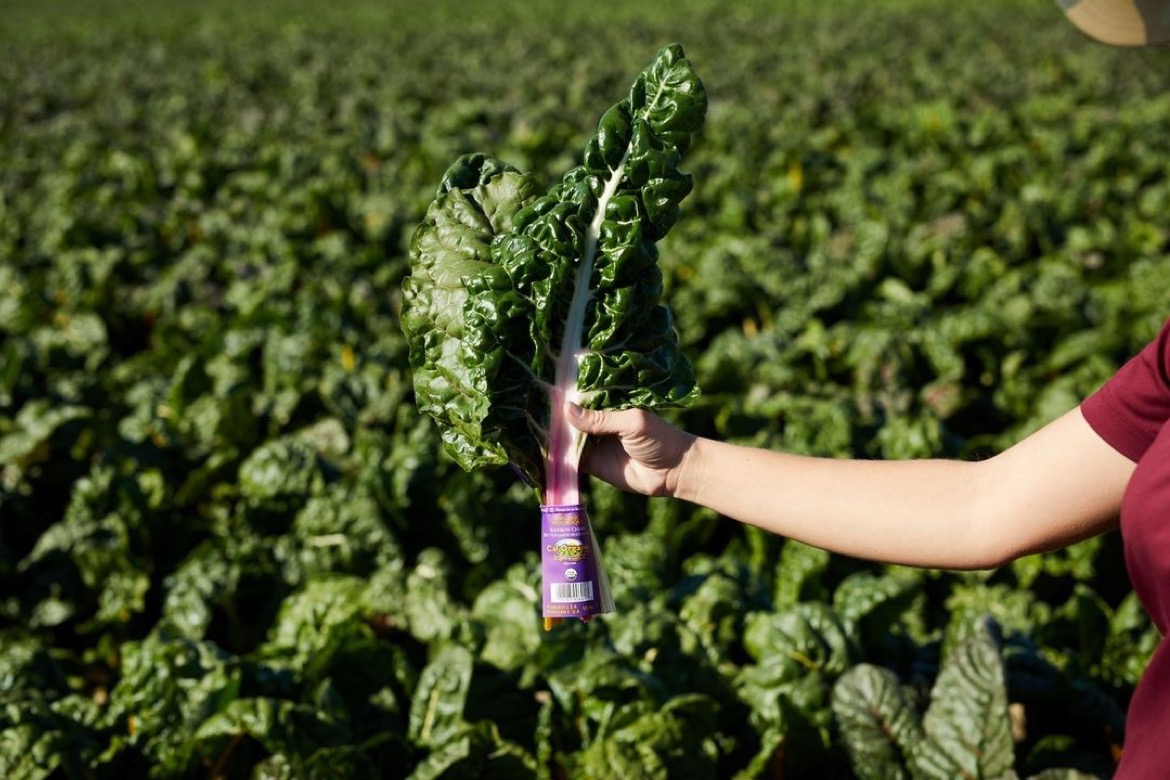
Cal Organic's item catalog covers the full range of organic vegetables that a well-run produce department needs: root vegetables (carrots, beets, turnips), brassicas (broccoli, cauliflower, cabbage, Brussels sprouts), alliums (onions, leeks), leafy greens (kale, spinach, chard, lettuce), cucurbits (zucchini, summer squash, cucumbers), nightshades (bell peppers, tomatoes, eggplant), and stalks (celery, fennel). Seasonal availability shifts through the year, but the depth of the catalog means there's almost always a Cal Organic item in season.
Their carrot program alone is one of the most significant in the organic market — triple-washed, packed in a range of formats from whole bulk to baby carrots to shredded — and it moves in volume that most certified organic operations can't come close to. That scale is what makes Cal Organic a foundation supplier rather than a supplemental one: they can fill a program, not just a gap.
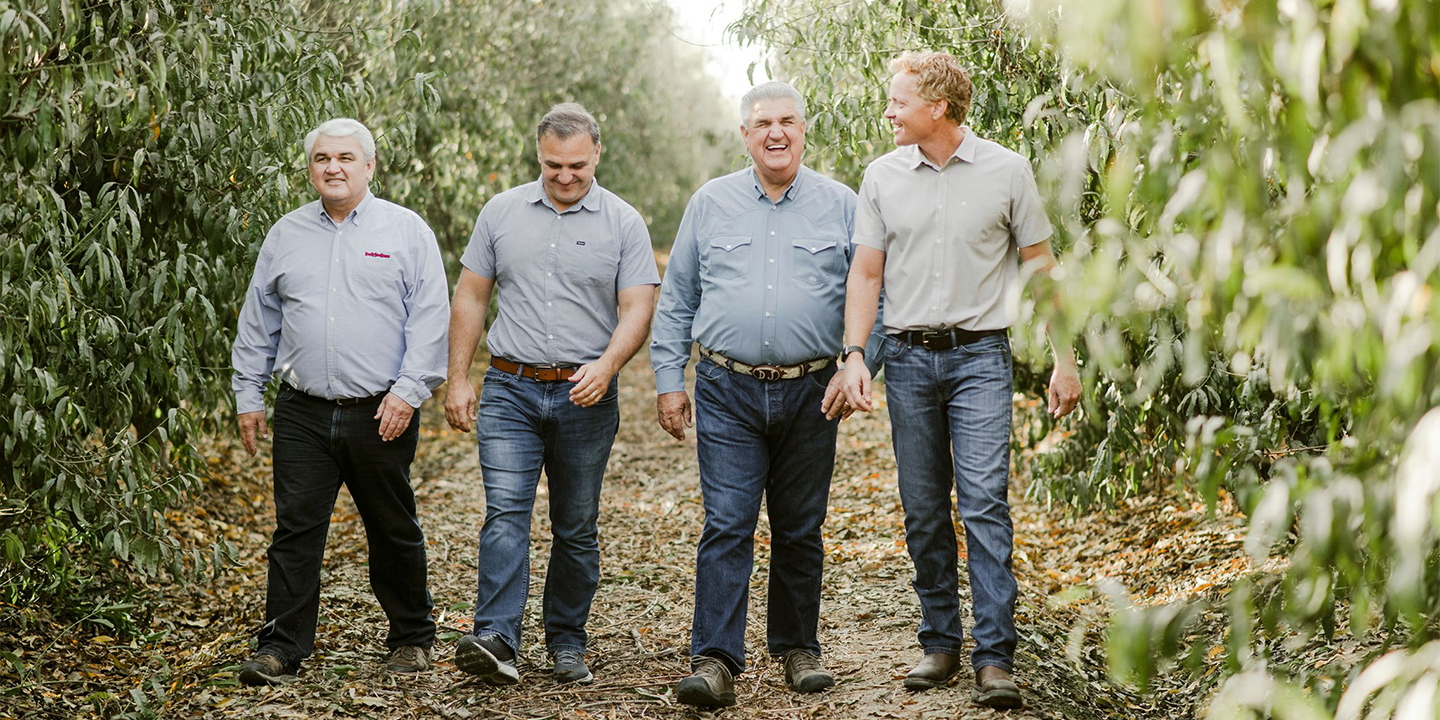
Seven generations of stone fruit, balanced against quiet innovation.
Read Their Story →
Premium peppers, cucumbers, and tomatoes grown under the Sonoran sun.
Read Their Story →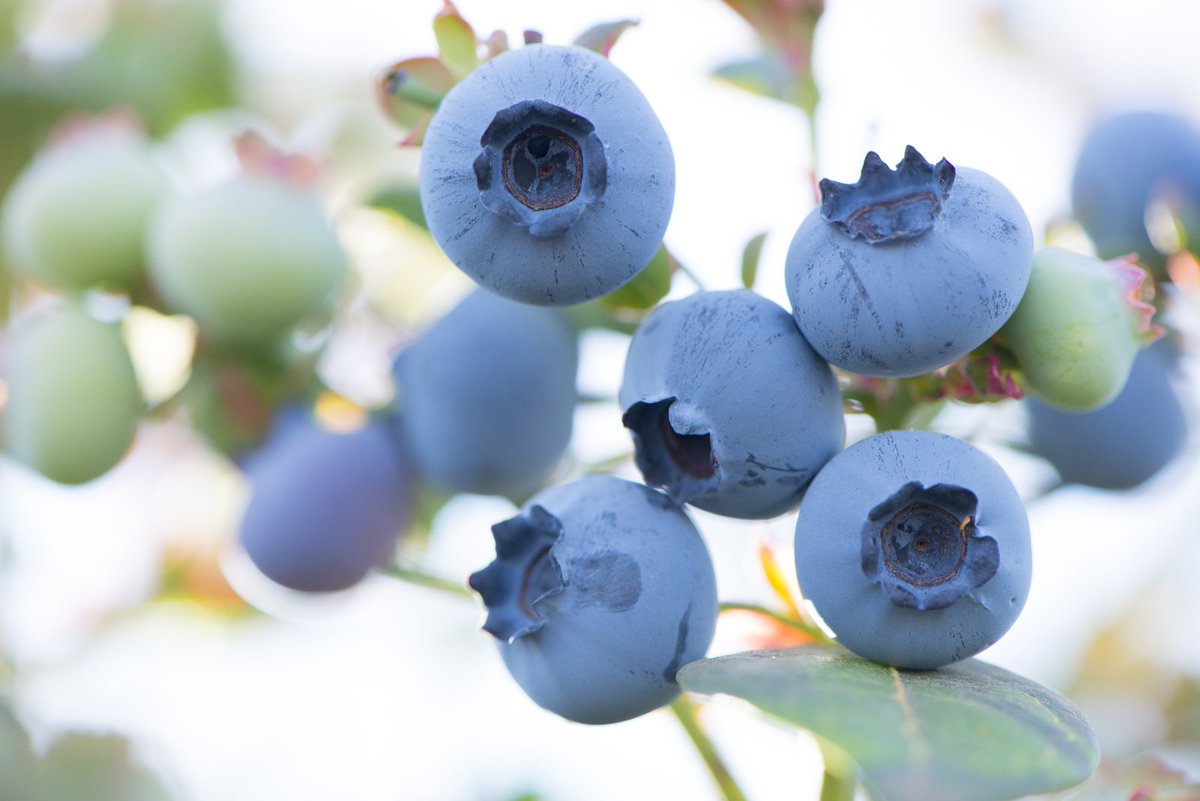
Premium counter-season blueberries — when the domestic season ends, OzBlu begins.
Read Their Story →