Thanksgiving week is the biggest week of the year for fresh produce — the busiest, tightest, most high-stakes stretch of the year for restaurants, grocers, and foodservice operators across the tri-state area. Kitchens are running holiday menus. Retail floors are stacked with seasonal displays. And everyone is counting on you to have what they need, when they need it, in perfect shape.
At Nathel & Nathel, we've been through a hundred Thanksgivings on the Hunts Point dock. We know what sells first, what tightens early, and what you should lock in now before the week gets chaotic. This guide walks through the produce that matters most for the holiday, when to place your orders, and how to store and handle the items that will be moving fastest.
What's in Season for Thanksgiving
Thanksgiving is a fall harvest celebration, and your produce lineup should reflect that. These are the items that customers expect to see — and the items that kitchens and produce departments build their holiday programs around.
Root Vegetables & Squash
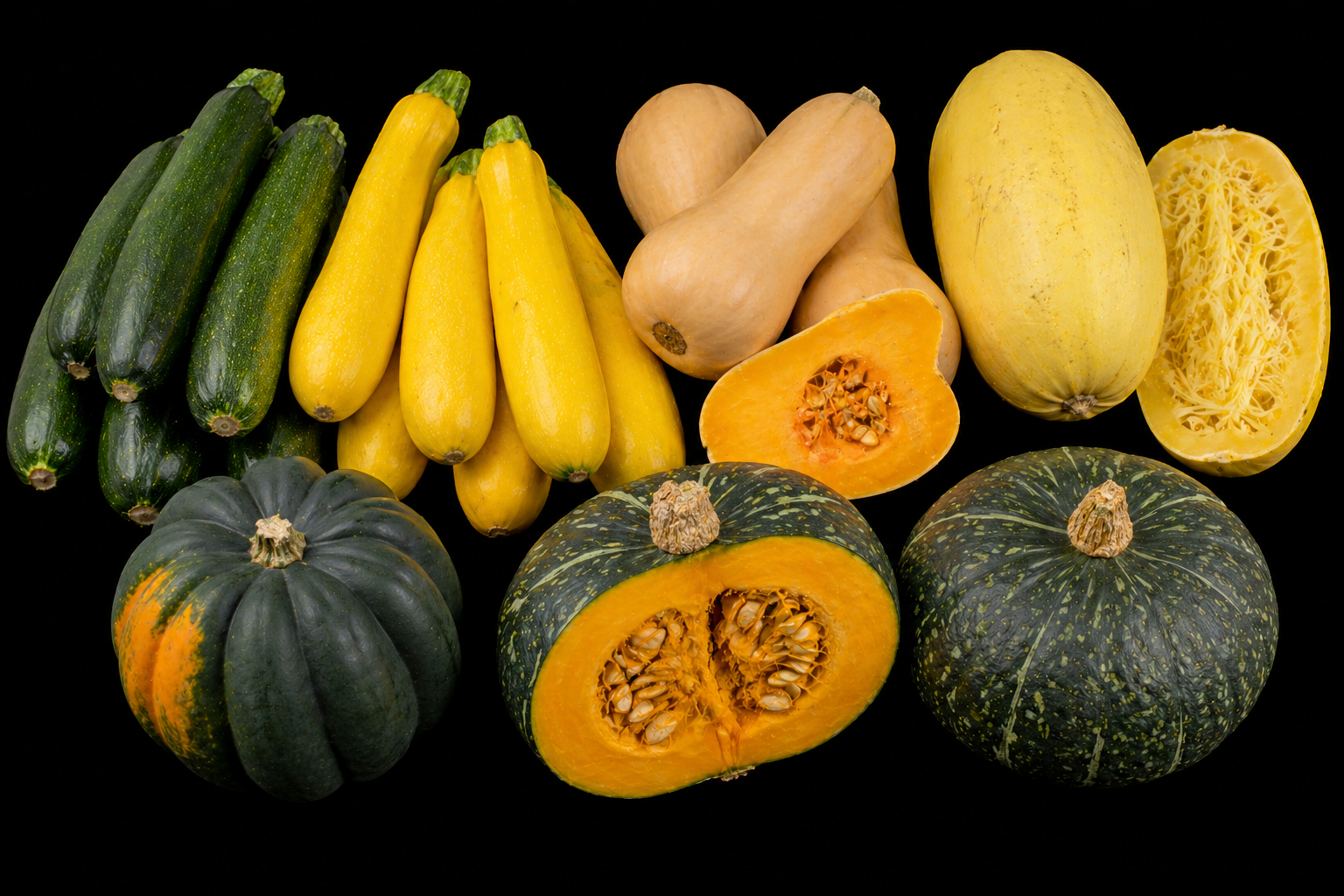
This is the heart of the Thanksgiving table. Sweet potatoes are the star — whether they're going into casseroles, roasted sides, or pies. Butternut squash and acorn squash are fall staples for soups, purees, and roasted platters. Carrots, parsnips, and turnips round out the roasting pan and add color and texture to holiday sides.
Plan for heavy volume on sweet potatoes — they move faster than almost anything else during Thanksgiving week. If you're a grocer, build an endcap or feature display. If you're running a kitchen, order more than you think you need. They hold well, and you'd rather have extra than run short mid-service.
Brussels Sprouts & Cruciferous Greens
Brussels sprouts have become a modern Thanksgiving classic — roasted with bacon, shaved into salads, or charred as a side. They're compact, they hold well, and they sell reliably throughout November. Expect steady demand leading up to the holiday and a spike the week of.
Kale, chard, and collard greens are quieter sellers but essential for soul food menus, Southern-style tables, and health-conscious holiday plates. Stock them if your customer base expects them.
Cranberries
Fresh cranberries are a short-season item that peaks in November. They're used for sauce, relish, baking, and garnishes. Grocers should feature them prominently — they're a visual cue that says "holiday" and they move quickly when merchandised well.
Cranberries are delicate. They don't hold as long as root vegetables, so plan your orders carefully. You want them fresh for Thanksgiving week, not sitting in the back for two weeks beforehand.
Herbs: Sage, Thyme, Rosemary, Parsley
Fresh herbs are non-negotiable for Thanksgiving kitchens. Sage and thyme are the traditional aromatics for turkey, stuffing, and gravy. Rosemary pairs with roasted vegetables and lamb. Parsley is the all-purpose garnish and finisher.
Herbs move fast and spoil fast. Order what you need for the week, and plan for a midweek top-up if you're running a busy operation. Keep them cold and hydrated — wilted herbs don't sell and they don't cook.
Potatoes, Onions & Celery
These are the backbone items that support every Thanksgiving kitchen. Russet potatoes and Yukon Golds for mashing and baking. Yellow onions for stuffing, gravy, and every savory dish on the table. Celery for mirepoix, stuffing base, and crudité platters.
Celery and lettuce often tighten earlier than you'd expect during Thanksgiving week because they're used heavily in both restaurant kitchens and retail delis. If you're a high-volume operator, lock in your celery order by the Monday before Thanksgiving. Don't wait until Wednesday.
Apples & Pears
Fall fruit is peak season, and customers expect to see apples and pears front and center. Honeycrisp, Gala, and Granny Smith apples are top sellers for eating, baking, and holiday displays. Bosc and Anjou pears add elegance to cheese boards, salads, and dessert platters.
These items hold well and have strong visual appeal. Use them to build attractive displays that anchor your produce department or your holiday buffet.
Citrus (Starting to Arrive)
Early-season mandarins, clementines, and navel oranges are just starting to come in from California and Florida. They're bright, they're cheerful, and they give customers a reason to add something fresh and light to a heavy holiday meal.
Citrus isn't a Thanksgiving table staple, but it's a strong add-on sell for grocers and a versatile ingredient for chefs working on salads, sauces, and cocktails.
When to Lock In Your Thanksgiving Orders
Timing is everything during Thanksgiving week. The market gets tighter as you get closer to the holiday, and certain items become harder to source or more expensive if you wait too long. Here's how to think about order timing.
Two Weeks Out: Plan Your Core List
By early November, you should have a clear sense of what you're ordering and in what quantities. Talk to your sales rep about projected volume. If you're a restaurant, finalize your holiday menu and back into your produce needs. If you're a grocer, review last year's sales data and adjust for traffic patterns.
This is the time to communicate special requests, large orders, or items that aren't part of your regular buy. The earlier you lock in your needs, the easier it is for your distributor to secure the right product at the right price.
One Week Out: Confirm and Adjust
The week before Thanksgiving, confirm your standing orders and make any adjustments based on reservations, catering bookings, or early sales trends. This is your last chance to scale up before the holiday rush.
Items like celery, lettuce, and fresh herbs often tighten during this window because every operator is ordering them at once. If you know you'll need extra, communicate that to your rep no later than the Monday before Thanksgiving.
Thanksgiving Week: Minimize Changes
By the time Thanksgiving week arrives, the market is running at full speed. Availability is tight. Trucks are packed. Last-minute changes are hard to accommodate.
If you need a midweek delivery or a top-up order, call early in the day and be as specific as possible. The teams at Hunts Point are moving fast, and clear communication makes everyone's job easier.
Storage & Handling Tips for High-Volume Items
When you're moving a week's worth of produce in three days, storage and handling become critical. Here's how to keep your product fresh and reduce waste during the busiest week of the year.
Root Vegetables: Cool, Dark, and Dry
Sweet potatoes and winter squash should be stored in a cool, dry area, ideally between 50°F and 60°F. Don't refrigerate them; cold temperatures damage their texture and flavor. Keep them out of direct light.
These items hold well for a week or more if stored properly, so you can order ahead without worrying about spoilage.
Brussels Sprouts & Cruciferous Greens: Cold and Humid
Brussels sprouts, kale, and other greens need to stay cold — between 32°F and 36°F — and humid. Store them in perforated bags or containers that allow airflow but retain moisture. If they dry out, they wilt. If they sit too long, they yellow.
Plan to move these items quickly. They're at their best within 3-5 days of delivery.
Cranberries: Keep Them Cold
Fresh cranberries are delicate and highly perishable. Store them in the coldest part of your walk-in, and don't open the bags until you're ready to use or display them. Once exposed to air, they degrade quickly.
If you're a grocer, feature cranberries early in the week and rotate stock carefully. If you're a chef, order what you'll use within a few days and plan for a second delivery if needed.
Fresh Herbs: Cold, Moist, and Upright
Herbs are fragile. Store them at 32°F to 36°F with high humidity. If they come in bunches, trim the stems and stand them upright in a container with a small amount of water, like a bouquet. Cover loosely with a damp towel or plastic.
Wilted or browned herbs don't sell and they ruin a dish's presentation. Inspect them daily and rotate stock aggressively.
Celery & Lettuce: Watch for Tightness
Celery and lettuce are two of the first items to tighten during Thanksgiving week because everyone needs them. Store them cold and humid — 32°F to 36°F — and keep them in their original packaging until you're ready to use them.
If you're ordering celery in bulk for stuffing or mirepoix, inspect it on delivery. You want firm, crisp stalks with no browning or soft spots. Poor-quality celery won't improve with time.
Display Ideas for Retail Operators
If you're running a produce department, Thanksgiving is your chance to build displays that drive impulse buys and communicate the season. Here's what works.
Feature an Endcap of Fall Harvest Staples
Build a dedicated endcap or island display with sweet potatoes, butternut squash, Brussels sprouts, cranberries, and apples. Use baskets or wooden crates to give it a farmers market feel. Add signage that says "Thanksgiving Essentials" or "Holiday Harvest."
This creates a one-stop shop for customers planning their holiday meal and increases basket size.
Cross-Merchandise Fresh Herbs
Place fresh sage, thyme, and rosemary near your turkey or in a dedicated "Thanksgiving Herbs" section. Most customers don't think about herbs until they're writing their shopping list, so make them visible and easy to grab.
Highlight Seasonal Fruit
Apples, pears, and early citrus are beautiful and profitable. Build a colorful display near the front of your department to catch customers as they walk in. Use clear signage with variety names and suggested uses — "Perfect for Pies," "Great for Snacking," "Add to Salads."
Ready to Plan Your Thanksgiving Orders?
Talk to Our Team
We're here to help you plan your Thanksgiving produce needs. Whether you're locking in a standing order or need to adjust your delivery schedule for the holiday week, give us a call.
718-991-6050Thanksgiving week moves fast, but with the right planning, it doesn't have to be stressful. Know what you need, order early, store it right, and communicate with your distributor. We've been doing this for a hundred years — and we're ready to help you get through the busiest week of the year.